Who is behind the film locations that make us dream, both on screen and in real life? Who handles the logistics at the places where movies are filmed? Who transforms a vast landscape into a must-see destination for us travelers? How do you balance the magic and impact of a major Hollywood production with the protection of the local environment?
The answer to all these questions has a name: the Film Commission. These regional organizations, often little known to the public, are the true, invisible bridge between the film industry and real-world locations. Far from the spotlight, Film Commissions do more than just attract filmmakers or search for the perfect shot for a screenplay, their work is much more complex. They handle all permits – from the simplest to the most challenging – ensure the protection of the natural environment for the duration of filming, and, once productions have left, promote that legacy to welcome travelers following in the footsteps of their favorite films. In short, they bring each of our cinematic itineraries to life.
During my latest road trip through Utah, focused on film locations along the Utah Film Trail, I had the incredible opportunity to meet and interview Christina Martin, director of marketing and communications at the Utah Film Commission.
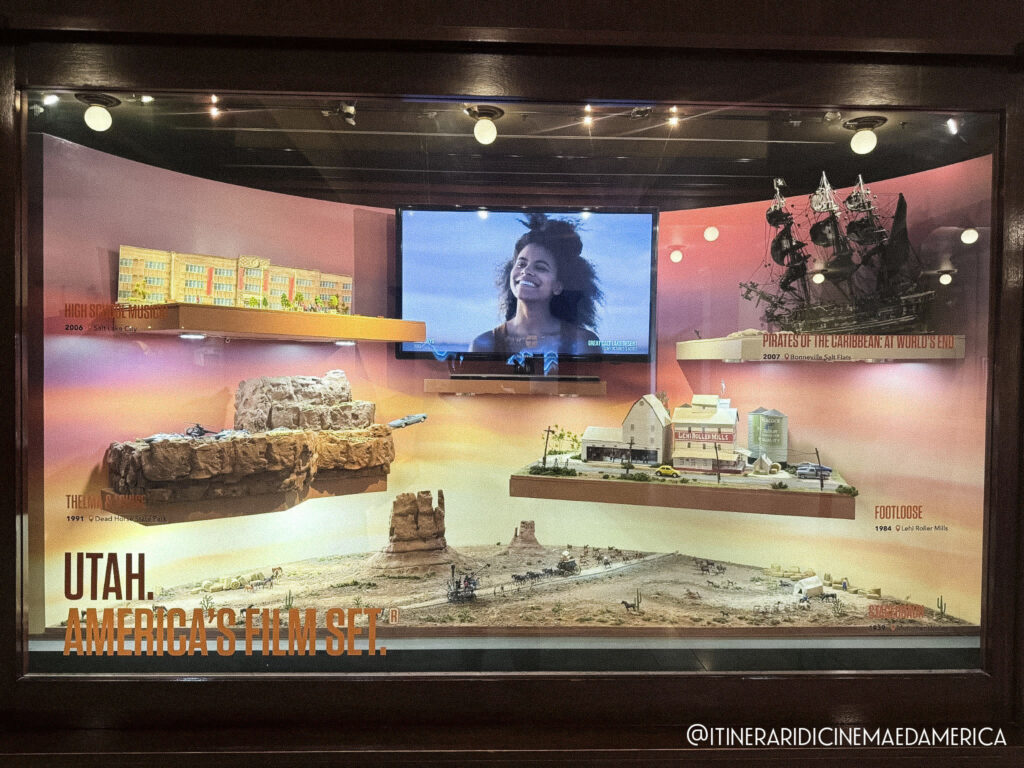
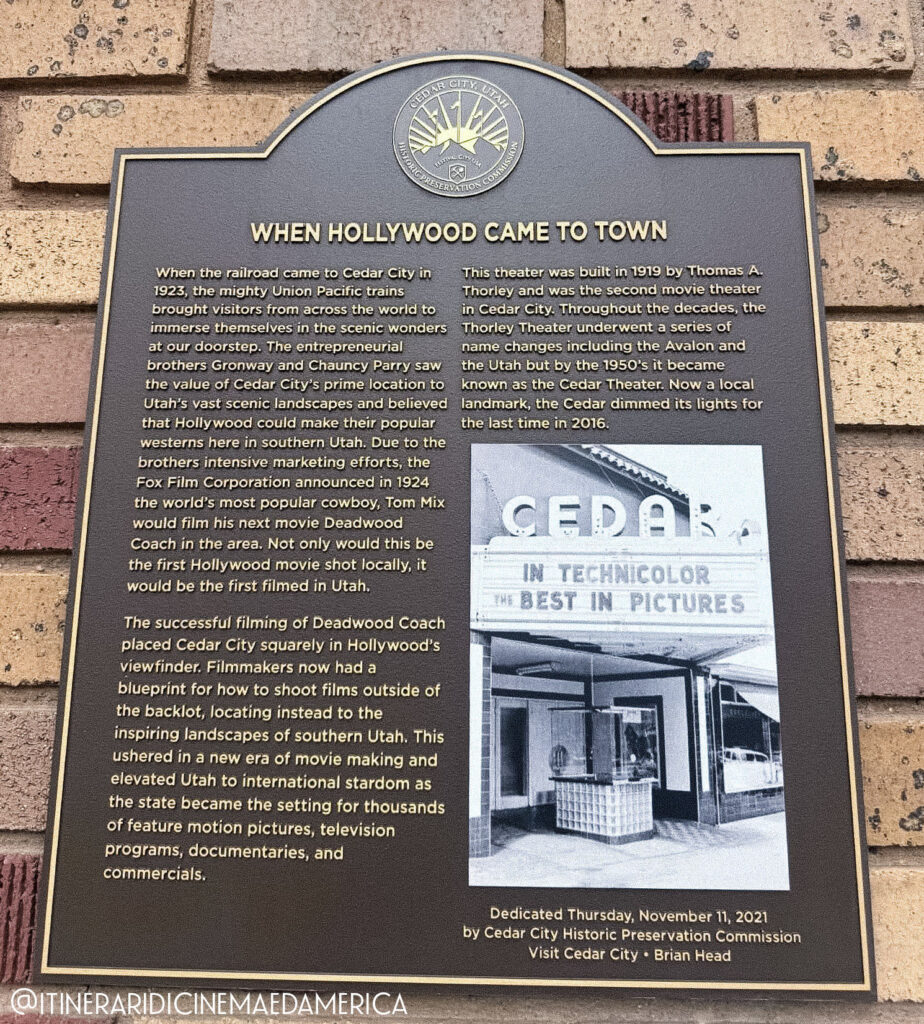
Utah is a true open-air movie set, so much so that it has earned the official nickname “America’s Film Set”, and the Utah Film Commission is the organization that has made this iconic identity possible. Although it was officially founded in 1974, its impact dates back many years earlier, and in 2024, it celebrated a significant double anniversary: its first 50 years of institutional activity and, at the same time, the centennial of the premiere of the first film shot entirely in Utah, the silent film The Covered Wagon (1924).
Since then, Utah’s territories and landscapes have hosted thousands of productions, providing the perfect backdrop for John Ford’s Western masterpieces in Monument Valley, sending the iconic green Ford Thunderbird from Thelma & Louise plummeting into the abyss, hiding the young Indiana Jones among the rock formations of Arches National Park, serving as a stage for the cast of *High School Musical*, and much more. It’s important to note that the Film Commission’s goal is not only to attract film productions but also to preserve this cultural heritage.
For this very reason, and thanks to the enormous interest in film tourism, the Utah Film Trail was recently launched, an official tourist route that invites travelers to retrace the very same locations where John Wayne, Harrison Ford, Robert Redford, and many others filmed their unforgettable masterpieces.
Here is the full interview in which Christina explains and highlights the extraordinary work of the Utah Film Commission:
- Utah has hosted some of the most iconic masterpieces in film history—from The Searchers and Butch Cassidy and the Sundance Kid to Thelma & Louise and Westworld. How does the Film Commission balance preserving this legendary heritage while attracting contemporary, innovative productions?
Utah has been a destination for filmmaking for over 100 years and its remarkable scenery has always inspired great storytelling. The Utah Film Commission’s mission is to promote the state as a destination for film, television, and commercial production to fuel a stable film industry, expand the creative economy, and drive economic diversity across all communities. - When people think of Utah, they immediately envision magnificent red rocks and desert landscapes. What is a lesser-known or unexpected location in Utah that filmmakers are starting to discover?
Utah’s picturesque main streets fill in for small towns across the country and can double for “Anytown, U.S.A.” That, combined with our film-friendly communities, attracts filmmakers to film our state. - Turning wild, protected terrain into a film set requires extraordinary work. What has been one of the most fascinating or unique logistical challenges the Film Commission has managed in recent years?
Through our Film Ready Utah program, the Utah Film Commission helps connect film productions with the right people in our communities who can support finding the right location or film permits. For example, during the filming of Marvel Studios’ “THUNDERBOLTS*”, road closures were needed for filming just outside of Green River, Utah that needed approval from state and local officials.
- When a movie hits the screen, the landscape becomes a character of its own. How do you view the impact of film tourism in Utah, and what does it mean to you to see travelers from all over the world coming to walk in the footsteps of their favorite films?
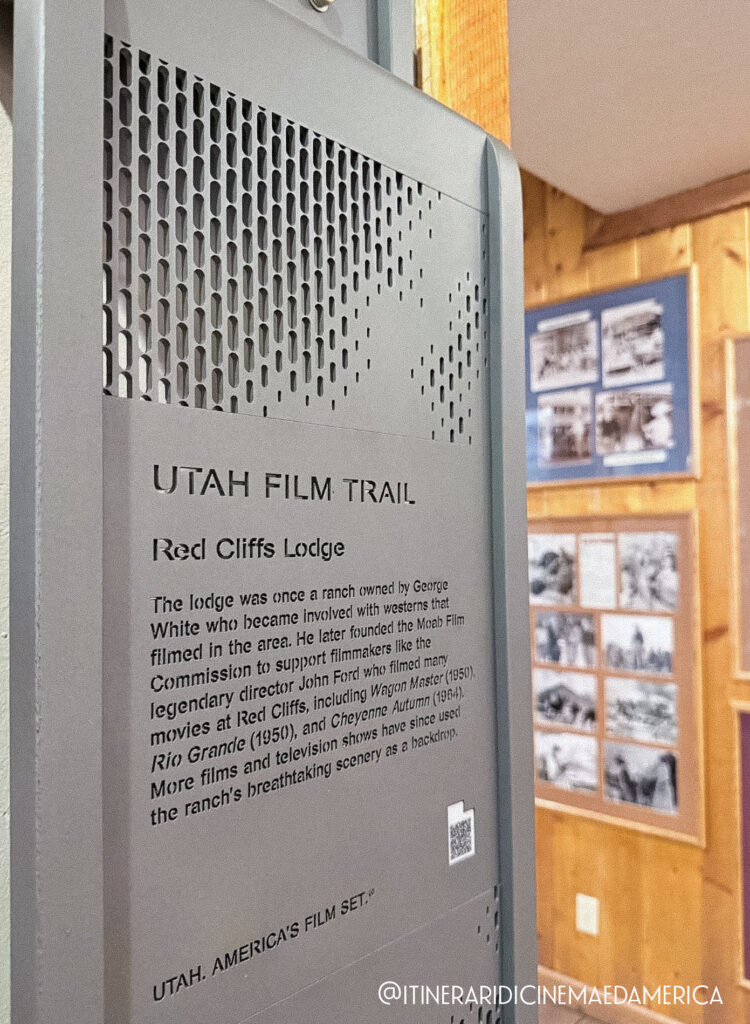
The Utah Film Trail welcomes film lovers to experience Utah’s iconic landscapes firsthand, with physical markers around the state guiding travelers off the beaten path to discover the real-world locations featured in some of their favorite films and television shows. 46% of visitors cite filmed-in-Utah productions as a key factor in choosing to visit the state, generating $600 Million annually in tourism spending. - If you could choose one classic film that was not originally shot in Utah, but that you think would have been absolute perfection set against your landscapes, which one would it be?
From desert lands and mountain grandeur to charming towns and urban cities, Utah has over 84,000 square miles of diverse and unique landscapes to become a perfect backdrop for any story. - Beyond locations and permits, what does the Film Commission concrete support look like on a day-to-day basis when a production lands in Utah? How do you help filmmakers turn their creative vision into reality?
The Utah Film Commission Production Team works directly with productions of all sizes, from breaking down scripts and scouting locations to connecting filmmakers with local crew, vendors, permits and resources. We administer the Utah Motion Picture Incentive Program and connect productions with Film Ready communities across the state. Our goal is to make filming in Utah as seamless as possible, from the first scout through the final day of production.
I want to thank the Film Commission for their daily commitment to bringing the dreams of film lovers like us to life, to Christina for taking us behind the scenes of their wonderful work, and to Emma from Visit Utah for organizing all of this.